Marine Plastic Pollution

What is plastic pollution?

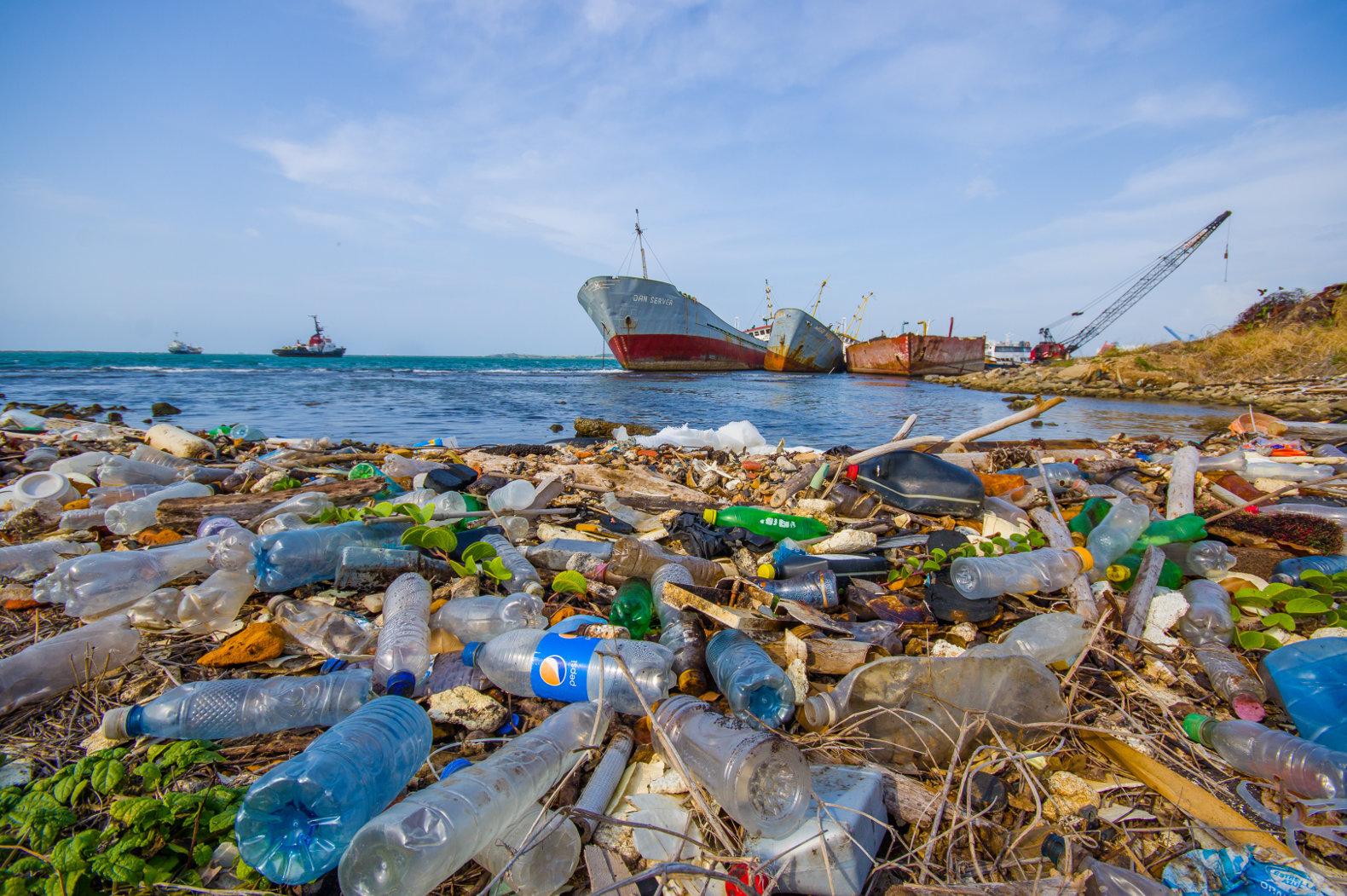
As the world’s population continues to grow, so does the amount of garbage that people produce. On-the-go lifestyles require easily disposable products, such as soda cans or bottles of water, but the accumulation of these products has led to increasing amounts of plastic pollution around the world. As plastic is composed of major toxic pollutants, it has the potential to cause great harm to the environment. Did you know that over the last decade we have produced more plastic than during the whole of the last century? Or that our oceans now contain billions of pounds of plastic?


Why is plastic harmful?

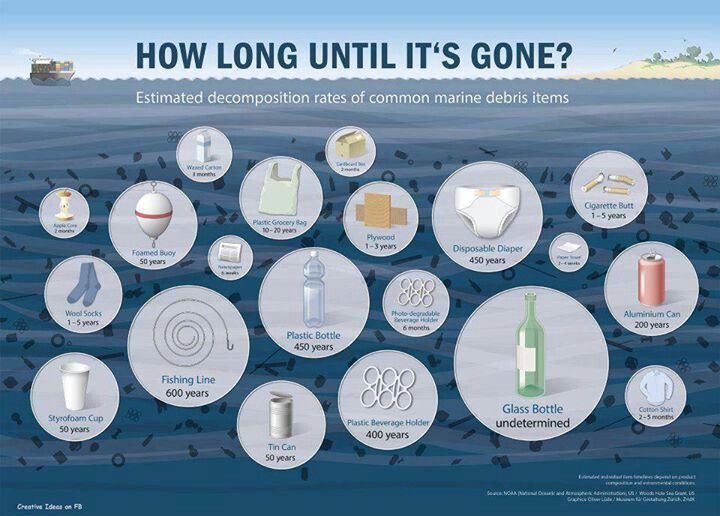
Plastic never goes away

Plastic is a material made to last forever, yet 33 percent of all plastic - water bottles, bags and straws - are used just once and thrown away. Plastic cannot biodegrade; it breaks down into smaller and smaller pieces.
Plastic affects human health.

Toxic chemicals leach out of plastic and are found in the blood and tissue of nearly all of us. Exposure to them is linked to cancers, birth defects, impaired immunity, endocrine disruption and other ailments.


Plastic threatens wildlife.

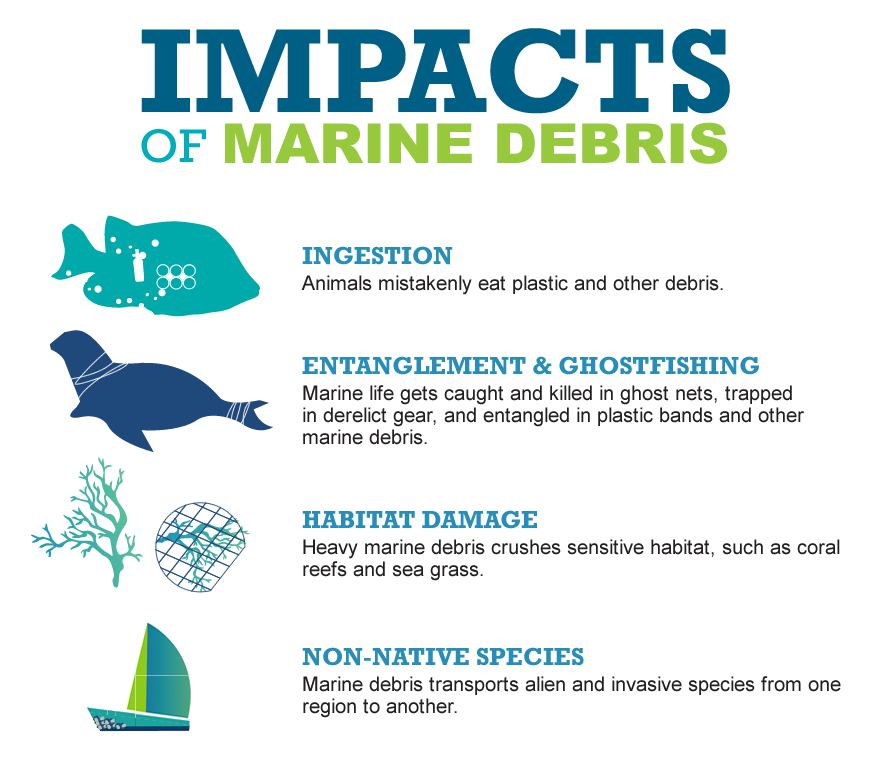
Wildlife become entangled in plastic, they eat it or mistake it for food and feed it to their young, and it is found littered in even extremely remote areas of the Earth. In our oceans alone, plastic debris outweighs zooplankton by a ratio of 36-to-1.


Plastic piles up in the environment.

Americans discard more than 30 million tons of plastic a year. Only 8 percent gets recycled. The rest ends up in landfills, is burned or becomes litter.


Plastic poisons our food chain.

Even plankton, the tiniest creatures in our oceans, are eating microplastics and absorbing their hazardous chemicals. The tiny, broken down pieces of plastic are displacing the algae needed to sustain larger sea life who feed on them.
Causes

While solving the problem of plastic pollution may seem as easy as just implementing recycling or cleaning up empty bottles, the truth is that the plastic causing the pollution can range in size from big to microscopic. The major contributors to this problem today include:

  1. Plain Old Trash
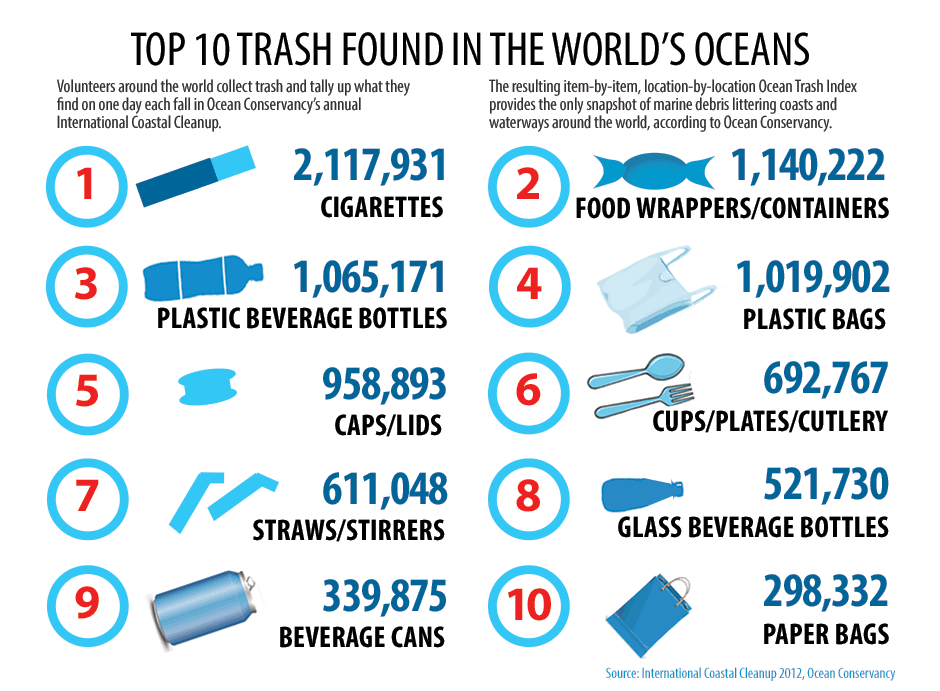
    Plastic is everywhere, even on those items you may not expect it to be. Milk cartons are lined with plastic, water bottles are handed out everywhere, and some products may even contain tiny plastic beads. Every time one of these items gets thrown away or washed down a sink, the toxic pollutants have more of a chance to enter the environment and do harm.

  2. It is Overused
    As plastic is less expensive, it is one of the most widely available and overused item in the world today. When disposed, it does not decompose easily and pollutes the land or air nearby when burned in the open air.

  3. Fishing Nets
    Commercial fishing is an economic necessity for many parts of the world, and tons of people eat fish for their daily survival. However, this industry has helped contribute to the problem of plastics pollution in the oceans in several ways. The nets used for certain large-scale trolling operations are usually made of plastic. First, these spend long times submerged in water, leaking toxins at will, but they also often get broken up or lost, left to remain wherever they fall. This not only kills and harms local wildlife, but also ensures that pollutants enter the water and fish of the area.

  4. Disposing of Plastic and Garbage
    This may sound a bit confusing, but because plastic is meant to last, it is nearly impossible to break down. Burning plastic is incredibly toxic, and can lead to harmful atmospheric conditions and deadly illness. Therefore, if it is in a landfill, it will never stop releasing toxins in that area.

Solutions

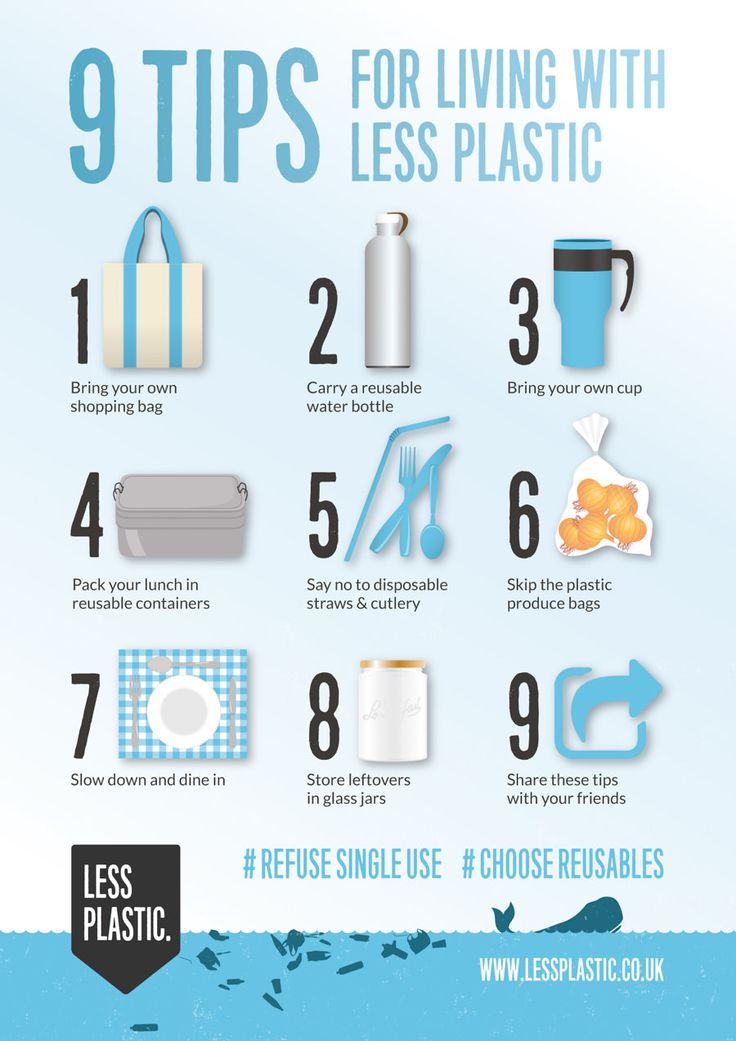
The reality is that the only way this problem can be addressed is by individuals and companies around the world agreeing to implement practices that reduce waste on every level. The top tips for reducing plastic waste are:

  1. Shop Friendly
    Plastic bags were once a modern convenience but can be efficiently replaced by reusable bags, many of which fold up compactly in order to be portable. Just think about how many bags you typically carry out of a grocery store, and multiply that by the number of times you grocery shop. That’s a lot of plastic! Carry a bag and always reuse plastic bags as much as possible if you have them.

  2. Get Rid of Bottled Water
    People are meant to drink lots of water each day, and plastic water bottles have become a great way to stay hydrated throughout the day. However, most of these are only recommended for single use, and that means that every time someone finishes a bottle it goes into the trash. Many companies now sell reusable water bottles as a substitute, reducing plastic waste and exposure to leaking bottles.

  3. Forget to-go Containers
    You would be surprised at how much plastic is involved in the making and packaging of food containers. Think the coffee shop’s drink cup is paper? It’s likely lined with plastic for insulation (pour a cup of coffee on some cardboard and see what happens). Plastic food containers, lids, and utensils are all easily replaced by reusable containers, which will cut down significantly on even a single meal’s waste.

  4. Recycle Everything
    Try and select items that come in non-plastic recycled and recyclable packaging, to do your best to properly handle items that can’t be reused. Check everything before you put it in the trash, as more and more items are able to be recycled these days. Remember that because plastic doesn’t break down easily (if ever), recycling plastic means that it is still plastic, just being used for a different purpose. Therefore, you’re not actually reducing plastic amounts or exposure, even in the recycling process.